🔥
Special Offer
- Homepage
-
Grip
Grip
Loading
Rent camera grip equipment in Amsterdam
Renting grip equipment is about how your camera sits or moves. A tripod holds the image still and lets you pan or tilt evenly. A gimbal keeps the camera level while you walk. The choice follows from your shot list, and in both cases the weight of your rig decides what is possible.
Tripods and gimbals for your camera
A tripod is two parts you have to judge separately. The legs carry the weight and set the height. The head decides how the movement feels: a fluid head damps the pan and tilt evenly, so the move does not jerk on screen. Both parts have their own load rating, and the lower of the two is your limit.
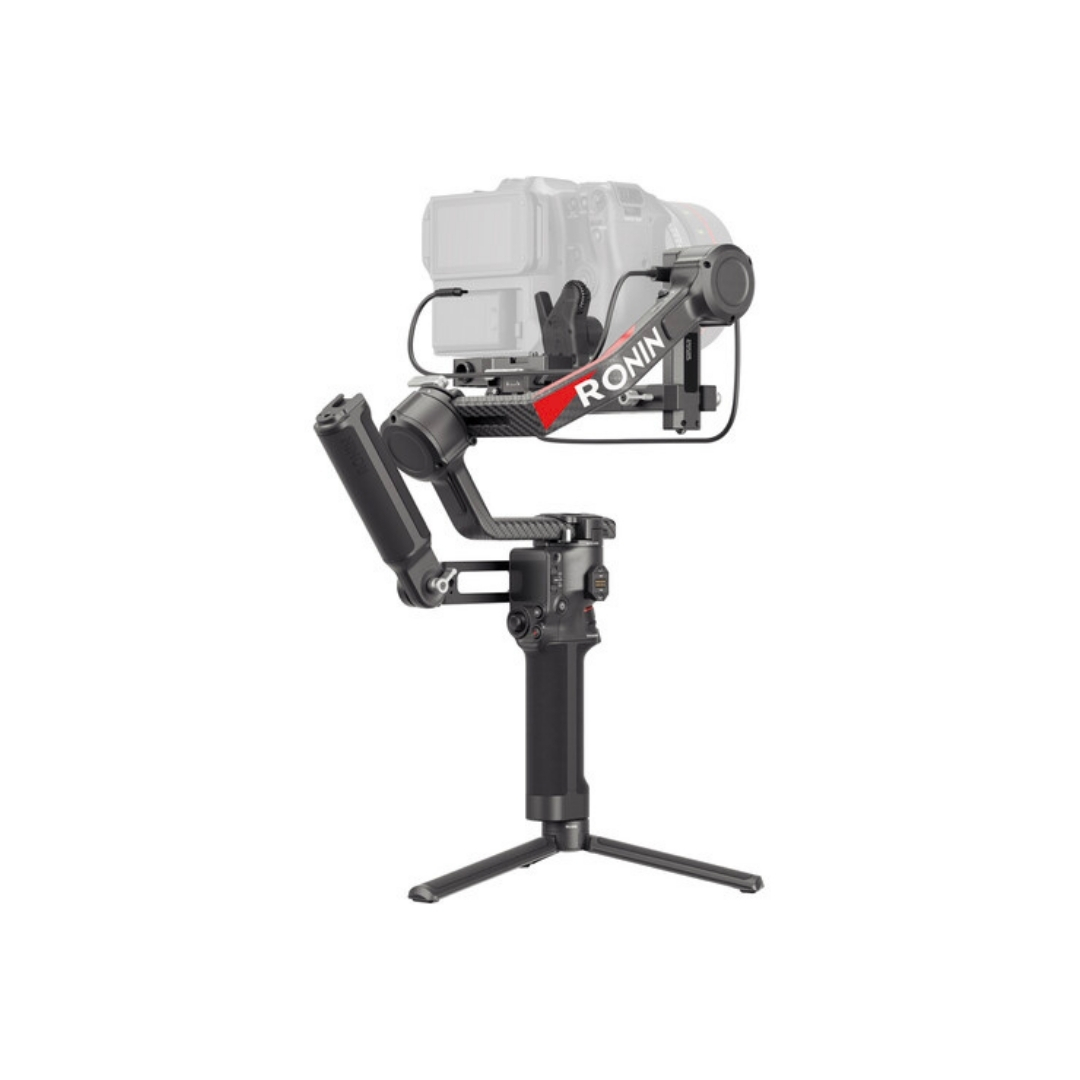
A gimbal stabilises the camera actively while you move. Before you use it, you have to balance the camera on it, and that takes time you need to plan for on set. Change lenses and the centre of gravity shifts, so you balance again. That is why crews who swap often settle on one lens for the gimbal.
For both, add up the total weight of what you mount: body, lens, monitor, microphone and any transmitter. Compare that total with the load rating of the head, the legs or the gimbal, which is listed per product. Do not estimate it; add it up.
Weight, balance and mounting
After the weight, look at the mounting. Cameras and heads work with plates and quick-release systems, and not all of them are interchangeable. Which plate belongs to a head is listed on the product page; check that against the body you pick under camera rental Amsterdam.
A camera tripod and a light stand are different things. A camera head is built to move; a light stand is built to hold weight steady at height. Do not substitute one for the other. Stands and clamps for lighting belong with rent film lighting.
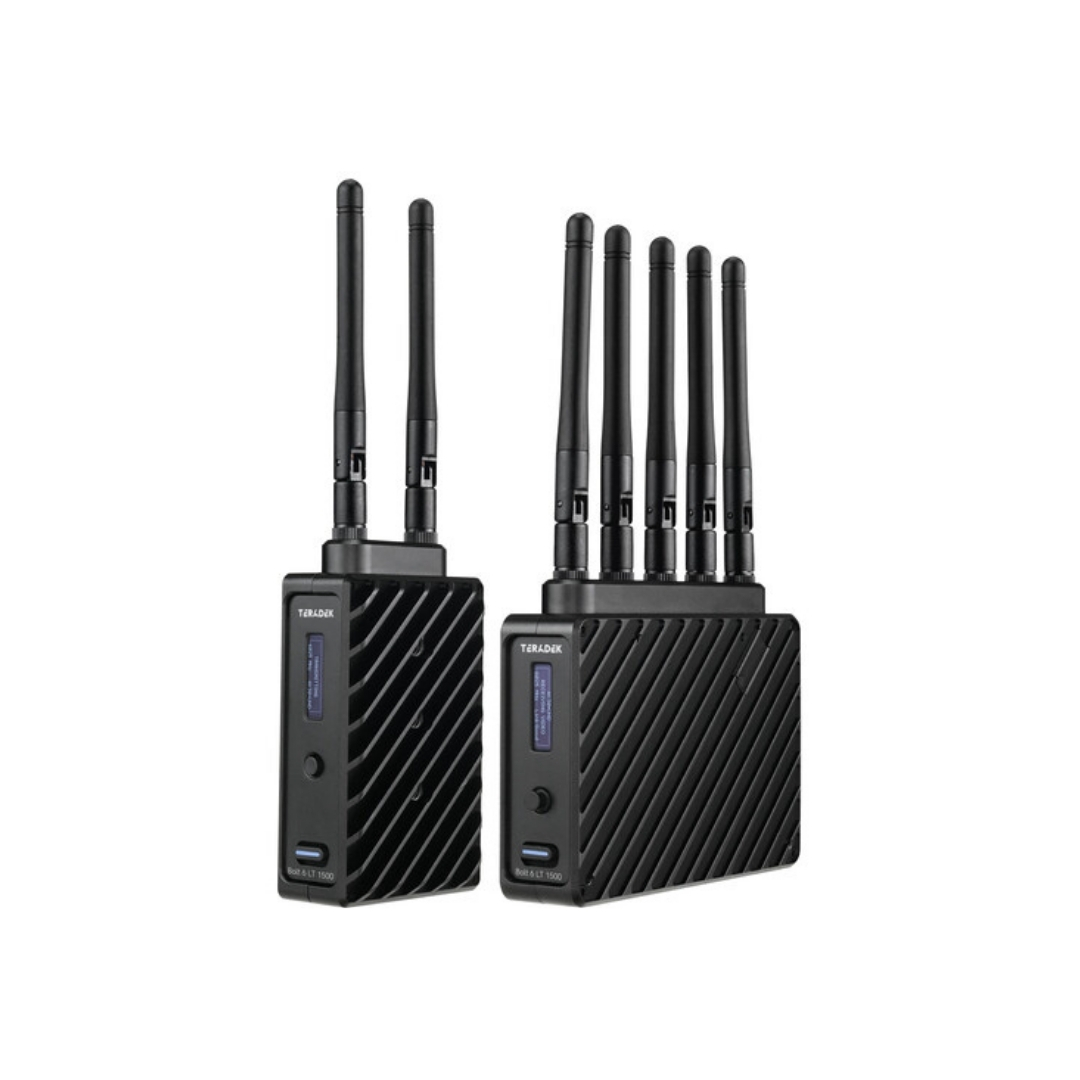
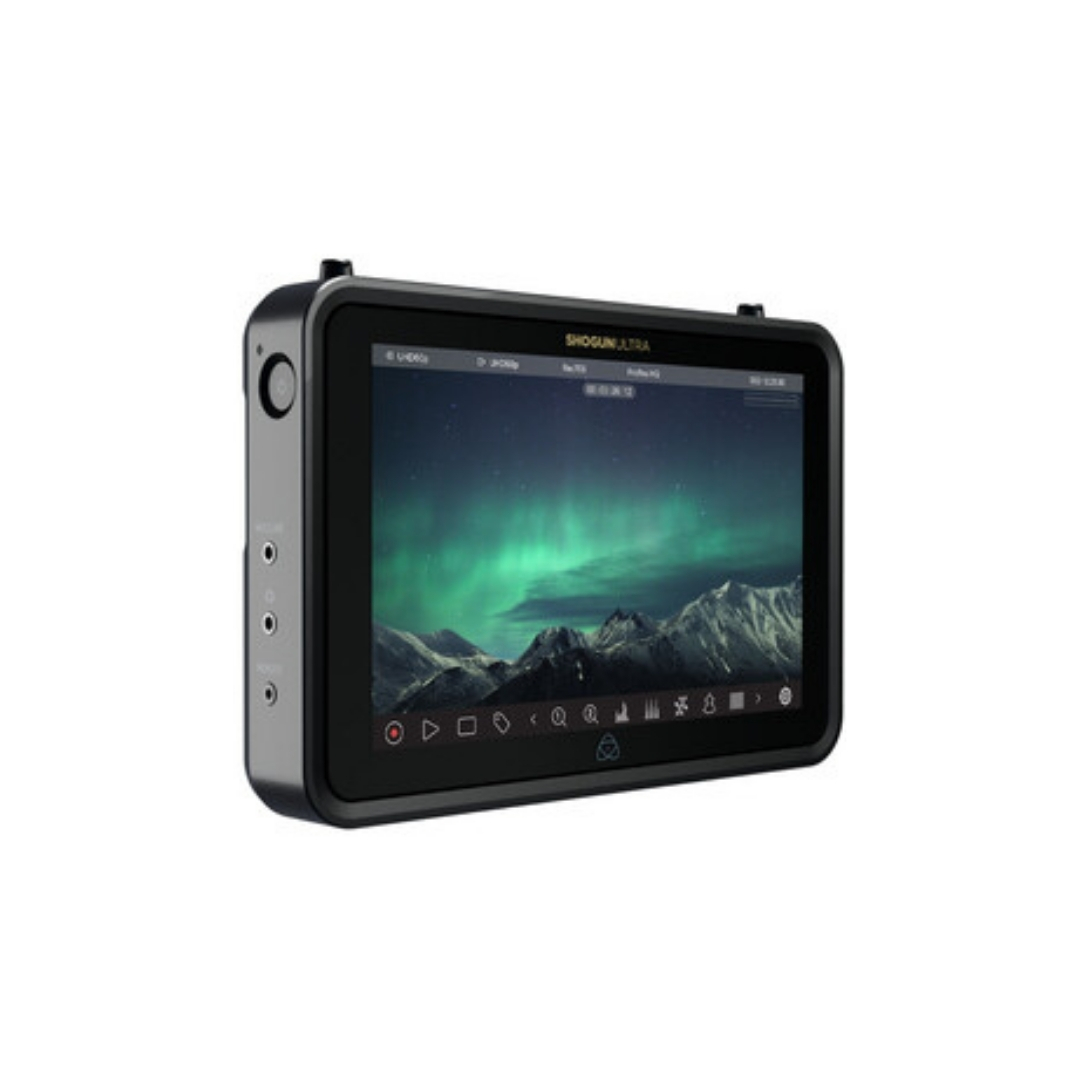
If you hang a monitor, microphone or transmitter on the camera, you need arms and plates and the rig gets heavier. Those parts sit under rent camera accessories, and the new total weight feeds back into your choice of head and legs.
Frequently asked questions
Tripod or gimbal: which should I choose?
Choose a tripod for fixed setups, interviews and even pans or tilts. Choose a gimbal when the camera walks with a subject or moves through a space. Many productions take both and use them for different shots on the same day.
How much weight can a tripod head carry?
It is listed per head as a load rating, and the legs carry their own figure. Add up body, lens, monitor and microphone and stay below the lower of the two. Do not exceed the stated load limits or counterbalance range; check mounting and balance as well.
Do I have to rebalance a gimbal every time?
After any change to the camera, yes, including a lens swap or adding a monitor. Without balancing, the motors work against the weight and you see it in the image. Build time for this step into your schedule.
Does my camera fit every tripod head?
The thread is usually standard, but the plate or quick-release differs per head. Check which plate belongs to the head and whether it suits your body, and confirm that the load rating covers the whole rig.
Can I use a light stand for my camera?
Not advisable. A light stand is built to hold weight steady, not to make a controlled move, and it has no fluid head. For the camera, use a tripod with a head made for panning and tilting.